Crypto ATMs Are Selling Panic at a Premium
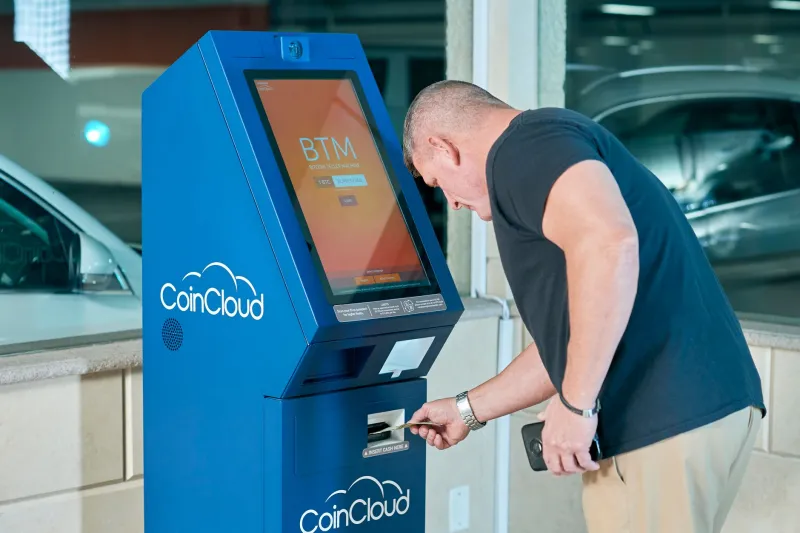
There is a crypto ATM in a convenience store near you, and it is probably glowing. The pitch is simple: feed in cash, get crypto, no bank required. For someone who wants speed or privacy, that can sound appealing. But the machine on the corner is not a public utility. It is a business with a markup, and that markup can be brutal.
Crypto ATMs are not all scams. Some are operated by legitimate companies that follow registration and compliance rules. But the combination of high fees, limited disclosure, and irreversible transactions makes them a favorite tool for fraudsters. If someone is rushing you toward a crypto ATM, treat that as a warning, not a convenience.
The sticker price is not the real price
A crypto ATM may advertise a fee, but the total cost usually includes more than one layer. There is the operator fee, which can be a flat charge or a percentage. There is the spread, which is the difference between the market price of the crypto and the price the machine gives you. There may also be a miner fee or network fee.
Those layers add up. A machine that charges a 15% fee and applies a 5% spread on a $500 cash deposit can leave you with roughly $404 worth of crypto before network costs. That is a huge haircut for a transaction that takes minutes. Compare that with a regulated exchange, where trading fees are often a small fraction of that, and the gap becomes obvious.
Convenience comes with limits and verification
The other surprise is that crypto ATMs are not always as anonymous or instant as people assume. Many require a phone number, an ID scan, and a selfie. Some impose daily limits or hold transactions for review. That is compliance doing its job, but it undercuts the idea that the machine is a frictionless cash-to-crypto shortcut.
If you are buying a small amount and you value the ability to pay cash, a crypto ATM might be convenient. If you are moving serious money, the fees and verification steps can make it a poor deal. The machine is designed for speed and impulse, not for cost-conscious planning.
The panic premium
Scammers love crypto ATMs because the transactions are fast and generally irreversible. A common pattern starts with urgency. Someone claims to be from the government, a tech support desk, a bank fraud department, or a romantic interest. They tell the victim to withdraw cash and deposit it into a crypto ATM to protect it, pay a fine, or unlock an account.
The victim is often told not to talk to family or bank staff. They may be walked through the machine by phone. The crypto is sent to a wallet controlled by the scammer, and once it is gone, recovery is extremely difficult. The machine is not the villain in every case, but it is the delivery mechanism for a lot of financial pain.
Red flags worth memorizing
Be wary of anyone who insists on crypto ATM payment. Government agencies do not demand crypto for taxes or fines. Tech support does not need you to deposit cash into a machine. A legitimate romantic partner does not need you to fund a crypto wallet before you have met in person. And no legitimate bank fraud investigator will tell you to lie to your bank.
Other red flags include a sense of panic, a QR code sent by text, a phone number printed on the machine that connects you to a fake support line, and instructions to keep the transaction secret. If any of those appear, stop. Call someone you trust. Contact your bank directly using a number you look up yourself.
Safer alternatives for normal people
If you want to buy crypto, a regulated exchange with bank transfer or debit card funding is usually cheaper and easier to document. If you want to send money to a friend or family member, a bank transfer or a payment app may be faster and far less expensive. If you want cash access, a traditional ATM is cheaper than a crypto ATM, even with out-of-network fees.
For people who value privacy, the answer is not necessarily a crypto ATM. It is understanding the trade-offs. A regulated exchange collects information, but it also offers recourse, receipts, and lower costs. A peer-to-peer transaction can be cheaper, but it carries counterparty risk. A hardware wallet can improve security, but it does not make a bad transaction reversible.
If you still use a crypto ATM
Compare the total amount of crypto you will receive, not just the advertised fee. Start with a small test transaction before sending more. Keep the receipt. Check the operator's registration and reputation. And never let a stranger guide you through the machine while you are on the phone.
The bottom line
Crypto ATMs sell convenience, and convenience has a price. Sometimes that price is worth it for a small, urgent transaction. But for most people, most of the time, the corner machine is an expensive way to move money. If someone is pushing you toward one with urgency and secrecy, that is not a financial opportunity. That is a warning sign.