The Comfort Trap: Seven 'Responsible' Habits That Keep Middle-Class Wallets Treading Water
Photo: Afifa Afrin, CC BY-SA 4.0, via Wikimedia Commons
Nobody sets out to stay broke. Most middle-class households do the things they were told to do: pay the bills, save a little, avoid obvious trouble. And yet the spreadsheet looks roughly the same in year ten as it did in year two. Not because of one big mistake, but because of a handful of habits that feel like responsibility and perform like stagnation.
Let's walk through seven of the most common comfort traps — and how to tell whether yours are building anything.
1. Treating 'On Time' as the Finish Line
Paying every bill on schedule is table stakes, not a strategy. Plenty of households hit this bar for decades while their net worth barely twitches. On time is the baseline; the actual game is what happens with the surplus — even a $150 surplus — after the bills clear.
2. Loyalty to a Bank That Isn't Loyal Back
That checking account you opened at 18? Statistically, it's costing you. Legacy banks hold billions in deposits at near-zero rates while online competitors pay dozens of times more on savings. The inertia premium is real: staying put because switching is annoying is a habit, not a decision.
3. The Raise That Disappears
Every promotion arrives, and every promotion gets absorbed — a slightly nicer car payment, a bigger apartment, subscriptions with better names. Lifestyle inflation is the comfort trap with a rewards program. The fix isn't deprivation; it's a rule: when income rises, a fixed percentage of the raise routes to savings before it ever touches your lifestyle.
4. Saving 'Whatever's Left'
Pay yourself last and you'll pay yourself almost never, because modern life is engineered to leave nothing left. Households that automate transfers on payday — before groceries, before fun — save more with zero additional willpower. Same income, different sequence, different outcome.
5. Safety-Only Investing (or No Investing)
Keeping everything in a checking account or a savings account earning under 1% feels safe. But inflation is a slow tax on idle money, and the historical gap between cash returns and market returns is the widest wealth divide in personal finance. Fear of loss in the market is rational; fear of the market entirely is expensive.
6. The Side Hustle That Doesn't Scale
A weekend gig that trades hours for dollars can absolutely pay off a credit card. But if it's been running for three years at the same $200 a month, it may be crowding out something that compounds — a skill, a certification, a business model that doesn't require your physical presence. Busy is not the same as building.
7. Debt Payments as a Lifestyle
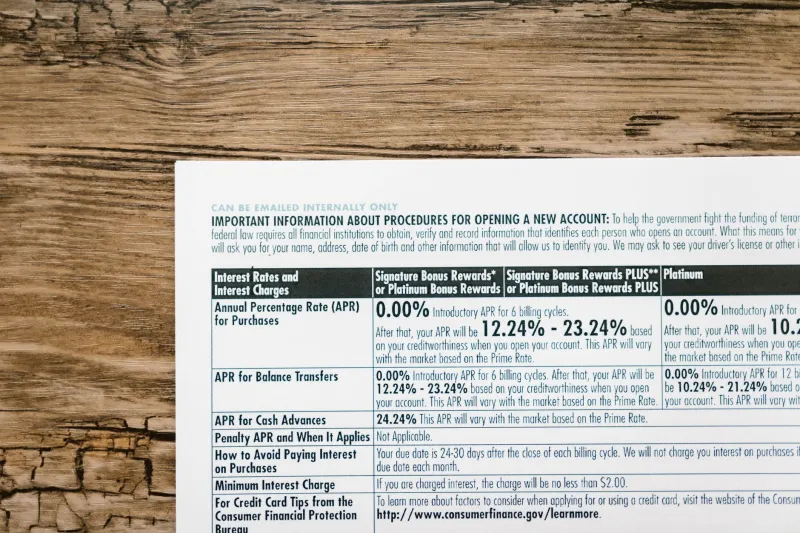
Minimum payments are designed to feel manageable, which is exactly the problem. A car loan rolled into a new car loan, a balance transferred but never reduced — comfortable, ongoing, and quietly costing thousands in interest. Comfort with debt is the most expensive comfort of all.
The Treadwater Test
Here's a five-minute audit. Pull up your last three months of statements and answer:
- Did any dollar move toward an asset you own — retirement account, brokerage, home equity, a business?
- Is your savings rate above 5% of take-home pay?
- Are you earning at least 3% on any cash you hold?
- Did your income from non-job sources grow in the past year?
- Is any debt balance smaller than it was twelve months ago?
Score zero or one, and you're not unlucky — you're comfortable. The good news is that comfort traps respond well to small structural changes: one automated transfer, one account switch, one percentage-of-raise rule.
The habits that keep you comfortable and the habits that make you wealthier are rarely the same habits. The trick is noticing which ones you've mistaken for each other — ideally before another decade of treading water convinces you it's the current's fault.