Silence Your Phone, Grow Your Wealth: The Dark Side of Real-Time Money Alerts

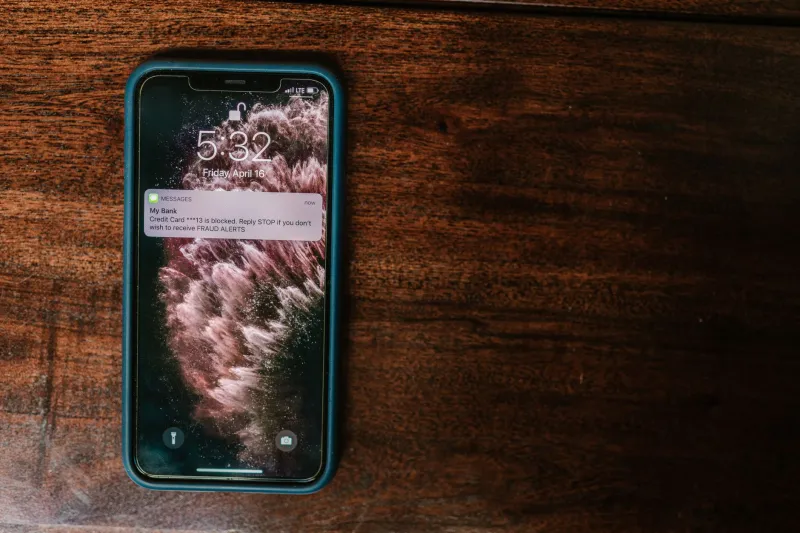
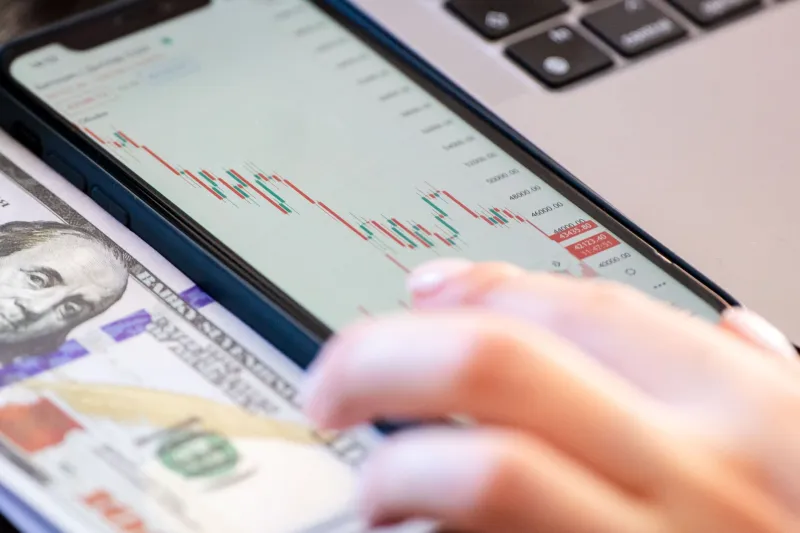
Your phone buzzes. Portfolio down 3%. Another buzz. A large purchase detected. One more. Bitcoin just dropped $1,200 in an hour. By the time you've poured your morning coffee, you've already received four financial anxiety attacks disguised as helpful updates.
We've been sold the idea that staying informed is always a good thing. Fintech companies, in particular, have turned real-time alerts into a feature they brag about. "Know the moment your balance changes." "Never miss a market move." Sounds empowering, right? The problem is that being informed every single second isn't the same as being smart with your money — and the science backs that up in uncomfortable ways.
How Your Brain Gets Hijacked by a Ping
Here's what most people don't realize: every notification your financial app sends is designed to create a response. Not just any response — an emotional one. When you see that your crypto position dropped 5%, your brain's amygdala (the part that handles threat detection) fires up before your prefrontal cortex — the rational decision-making center — even has a chance to clock in for work.
This is called an amygdala hijack, and it's the reason you've probably made at least one money move you later regretted. Sold a stock in a panic. Moved savings around after a bad week. Paused a 401(k) contribution because the market looked scary. The notification didn't just inform you — it triggered you.
Fintech platforms know this. The entire notification architecture is built around behavioral psychology principles. Variable reward intervals (the same mechanism that makes slot machines addictive) keep you checking back. Urgency framing — "act now," "price alert," "unusual activity" — creates a sense that inaction is dangerous. Your brain interprets these cues as threats and pushes you toward doing something, even when doing nothing is the objectively better move.
The Comparison Problem Across Platforms
Not all apps are equally guilty here, but the differences are worth knowing.
Traditional banks like Chase and Bank of America have gradually ramped up their notification ecosystems. What started as fraud alerts has ballooned into spending summaries, balance warnings, and promotional nudges that blur the line between useful and manipulative.
Investment platforms like Robinhood have faced specific criticism for gamifying the investing experience through visual rewards and real-time alerts that encourage trading frequency. More trades generally means more fees or spread costs — great for the platform, often bad for the user.
Crypto platforms tend to be the most aggressive. Coinbase, Kraken, and others push price movement alerts that are almost engineered to induce FOMO. When your app tells you that Ethereum just jumped 8% in two hours, it's not a neutral data point — it's a psychological invitation to do something impulsive.
On the more restrained end, platforms like Fidelity and Vanguard have historically kept notification intensity lower, which may partly explain why their user base tends to hold positions longer and see better long-term outcomes.
The Data Is Pretty Brutal
Research out of the University of California found that investors who checked their portfolios daily were significantly more likely to make reactive trades than those who reviewed their holdings monthly or quarterly. A Nobel Prize-winning body of work by economist Richard Thaler demonstrated that loss aversion — the tendency to feel losses roughly twice as intensely as equivalent gains — is amplified when people are exposed to frequent performance updates.
Translation: the more alerts you allow, the more often you'll feel like you're losing, even when you're technically winning over the long haul. A portfolio that grows 18% over a year might still trigger hundreds of loss-aversion responses along the way if you're watching it daily. Your brain tallies each dip as a defeat and each gain as a temporary reprieve — not a healthy relationship with your money.
Practical Ways to Take Back Control
The goal here isn't to go completely dark on your finances. Ignoring your accounts entirely is its own kind of financial negligence. What you're aiming for is intentional awareness — checking in on your terms, not your app's.
Do a notification audit this week. Go into every financial app on your phone and get ruthless. Turn off anything that isn't a genuine security alert. Fraud notifications? Keep those. "Your balance is lower than usual"? Kill it. Price movement alerts on crypto? Unless you're an active trader with a specific strategy, those can go.
Schedule your money check-ins. Pick one or two times a week — maybe Sunday evening and Wednesday morning — where you intentionally review your accounts. This gives you real information without the emotional ambush of random alerts.
Use summary digests instead of real-time pings. Many platforms let you switch from instant notifications to daily or weekly email summaries. This is a dramatically underused feature. A weekly digest gives you the same data with none of the urgency-induced panic.
Separate your checking visibility from your investment visibility. It's reasonable to monitor your checking account more frequently — you need to know if rent cleared or if your paycheck landed. But your investment and retirement accounts don't need that same level of surveillance. Treat them differently in your notification settings.
Consider a "cooling off" rule. If you receive an alert that makes you want to take action, give yourself 24 hours before doing anything. Most of the time, the impulse fades. The ones that survive the wait are usually the ones worth acting on.
The Wealthiest Investors Are Often the Quietest Ones
There's an old story — possibly apocryphal, but instructive — about a Fidelity study that found their best-performing accounts belonged to customers who had either forgotten they had the account or were deceased. Whether or not the study happened exactly as described, the underlying principle has been validated repeatedly: inactivity, in investing, is often a superpower.
The digital age has made it incredibly easy to stay connected to every cent you own at every moment of the day. And the companies building these tools have strong incentives to keep you engaged, because an engaged user is a monetizable one. Your financial discipline is not their priority — their retention metrics are.
At AkaryCash, we think smart money moves in the digital age means knowing when to stop looking. The market will do what it does. Your long-term strategy doesn't change because of an 11 PM notification. Your crypto position doesn't need you watching it at 2 AM.
Turn off the noise. Set your strategy. Check in on your schedule. That's not being uninformed — that's being in control. And in personal finance, control almost always beats reaction.